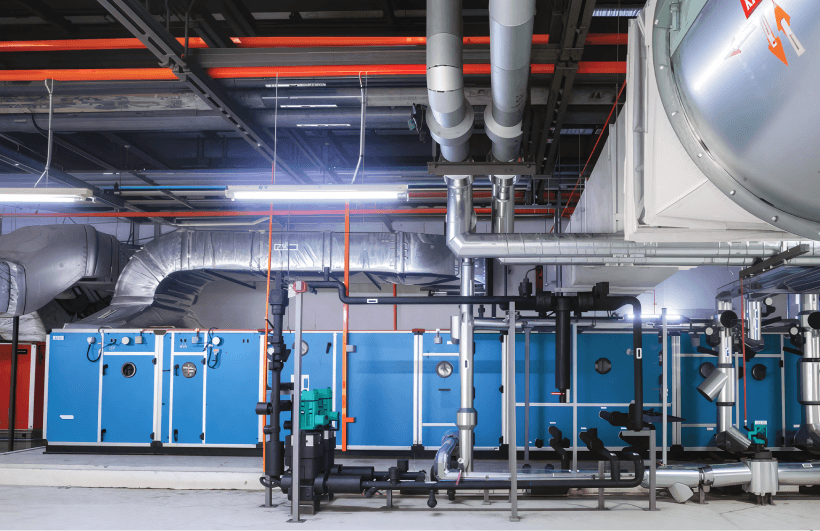
Across Southeast Asia, cooling systems are under pressure. Not just from rising temperatures or population growth, but from outdated designs that no longer meet today’s energy, environmental, or compliance demands. Air conditioning remains one of the largest energy consumers in the region, yet much of the installed HVAC infrastructure is inefficient, poorly maintained, or incompatible with new climate targets.
This disconnect is pushing a shift in how cooling is engineered, managed, and valued. From Malaysia to Thailand, facility owners are no longer asking how to keep buildings cool. They are asking how to reduce electricity costs, meet green building criteria, and stay ahead of changing refrigerant regulations. The future of cooling in Southeast Asia is not just about comfort. It is about control, compliance, and carbon.
Why Cooling Is Becoming an Urgent Issue
In Malaysia, air conditioning can account for more than 40 percent of energy consumption in commercial and mixed-use buildings. Across ASEAN, total cooling demand is projected to triple by 2050 if no improvements are made. These numbers are not projections alone. They are already showing up in high operating costs and peak electricity loads.
Industries such as pharmaceuticals, semiconductors, and data processing are particularly sensitive to HVAC system performance. Precision climate control is essential to maintain quality, yield, and uptime. Yet many facilities still rely on outdated equipment or conventional designs that were not built for energy efficiency, environmental compliance, or intelligent control.
Regulation Is Forcing a Redesign
Governments are responding with stricter energy performance standards, mandatory refrigerant phase-downs, and green building frameworks. Malaysia has aligned its refrigerant policies with the Kigali Amendment, accelerating the transition away from high-GWP refrigerants. Certification systems such as GreenRE and GBI are now core to commercial project planning, especially in urban development zones and ESG-driven portfolios.
This is creating new expectations. HVAC systems must now prove performance not only at design stage but over their full operational life. Clients are asking for verified energy data, control system integration, and upgrade pathways that allow systems to remain compliant for years to come.
What a Future-Ready Cooling System Looks Like
At T.T.E. Engineering, we design HVAC systems that address both immediate needs and long-term risks. This includes adopting refrigerants with lower global warming potential, deploying systems with high part-load efficiency, and applying heat recovery where thermal energy can be reused in support processes.
Control systems are no longer optional. We integrate HVAC with Building Monitoring Systems that allow real-time performance tracking, automatic load adjustment, and early detection of faults. These capabilities help reduce energy waste, enhance system responsiveness, and support reporting for energy compliance and green certification audits.
We also consider upgradeability. Many buildings in the region are not new, and system retrofits need to be practical, fast, and low-disruption. Our modular engineering approach makes it easier for facilities to transition to higher-efficiency cooling without dismantling existing operations.
Why It Matters to Owners and Operators
A poorly designed or aging HVAC system is no longer just inefficient. It is a liability. Rising electricity tariffs, stricter compliance requirements, and public ESG commitments all turn system performance into a financial and reputational concern.
Southeast Asia’s building sector is reaching a turning point. Cooling strategies must align with carbon goals and operational realities. Investing in sustainable HVAC is no longer a premium choice. It is essential infrastructure.
Engineering That Supports Long-Term Performance
T.T.E. Engineering is focused on delivering HVAC systems that perform reliably over time. Our projects support compliance, reduce lifecycle energy use, and integrate with broader building technologies for data-driven operation. As Southeast Asia continues to grow and urbanize, cooling systems must evolve in parallel — smarter, cleaner, and ready for what’s next.