
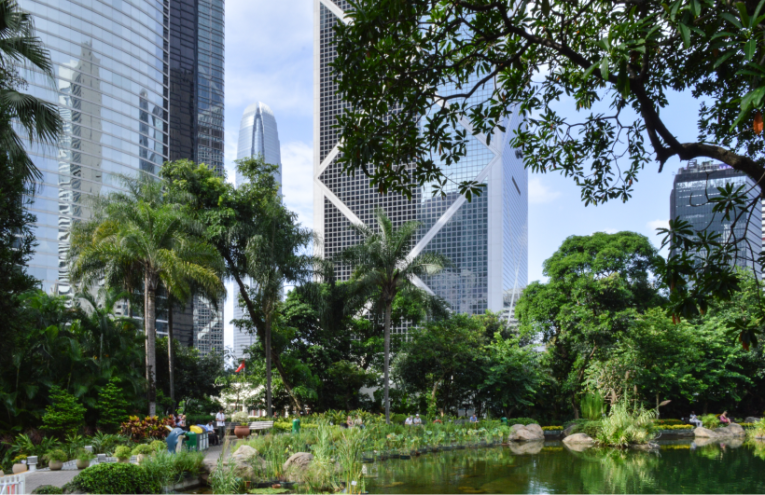
Malaysia has committed to achieving net-zero greenhouse gas emissions by 2050, a target that will require large-scale transformation across multiple sectors of the economy. While policies and financial mechanisms are critical enablers, the technical foundation of this shift rests largely on engineering. From how buildings are cooled and powered to how industrial processes are managed and monitored, engineers will determine the practical success of Malaysia’s low-carbon future.

As Malaysia accelerates toward its national carbon goals and energy efficiency targets, attention is turning to smart building infrastructure as a key enabler of sustainable urban development.
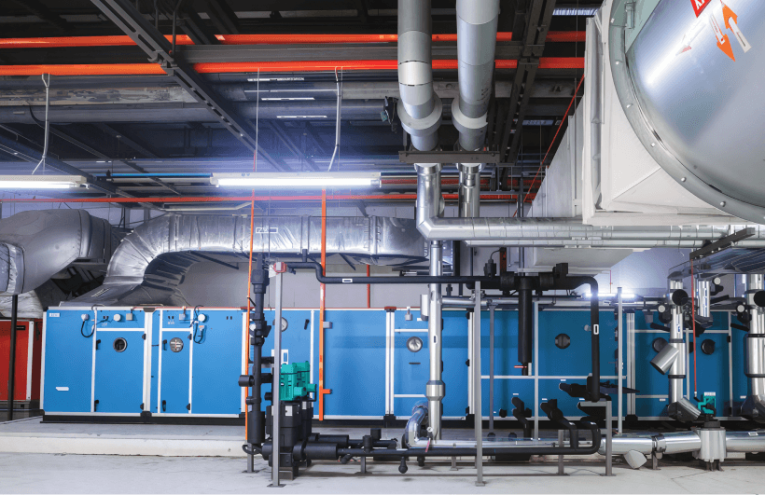
Across Southeast Asia, cooling systems are under pressure. Not just from rising temperatures or population growth, but from outdated designs that no longer meet today’s energy, environmental, or compliance demands. Air conditioning remains one of the largest energy consumers in the region, yet much of the installed HVAC infrastructure is inefficient, poorly maintained, or incompatible with new climate targets.
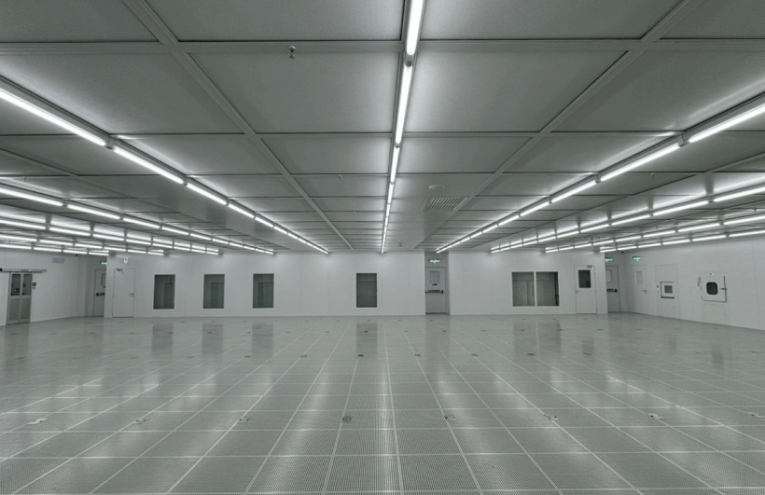
Cleanroom facilities are becoming one of the most technically demanding aspects of modern industrial design. In sectors such as semiconductor manufacturing and biotechnology, environmental control is no longer an added feature.
