
Carbon neutrality is rapidly becoming a defining benchmark in engineering and infrastructure development. As countries commit to net-zero targets and industries work to reduce their environmental impact, engineers are expected not only to understand the concept of carbon neutrality but also to apply it within the scope of technical design, project delivery, and system operation.

As the demand for sustainable infrastructure grows across Southeast Asia, cooling systems are coming under greater scrutiny for their energy use, environmental impact, and long-term reliability. Developed by Takasago Thermal Engineering in Japan, Green Air® Technology represents an engineering-led approach to air conditioning that addresses these challenges through optimized energy performance, intelligent control, and full-system integration.
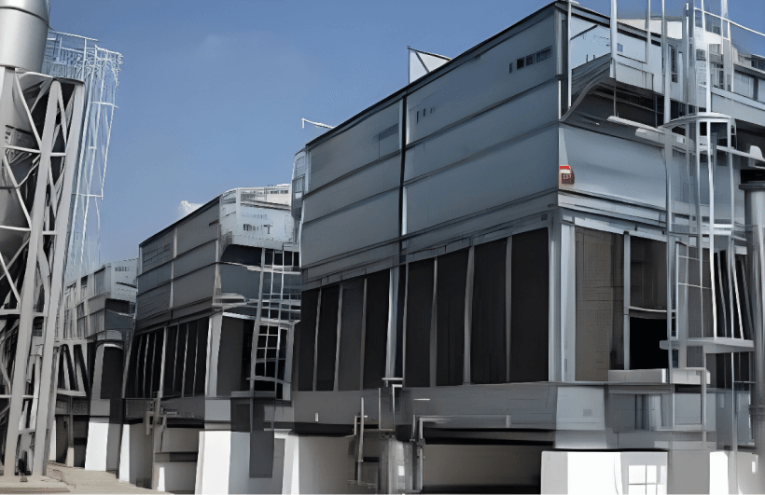
As sustainability and regulatory compliance take a stronger hold across the building and industrial sectors, one technical metric is becoming increasingly important in HVAC system design: Global Warming Potential, or GWP.
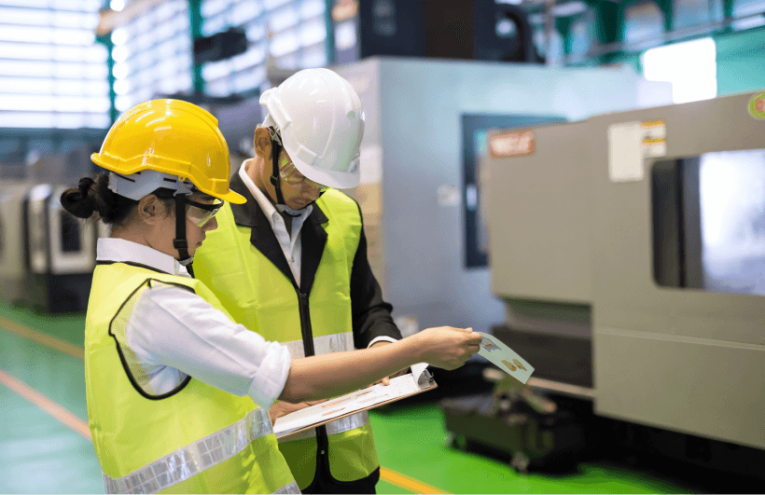
As buildings age and system demands evolve, engineering teams are often faced with a familiar challenge: how to improve performance without starting from scratch. Whether it involves HVAC systems, electrical infrastructure, or cleanroom environments, smart retrofitting offers a practical path to enhance efficiency, support compliance, and extend system value. These improvements can often be achieved without major disruption or full replacement.
