

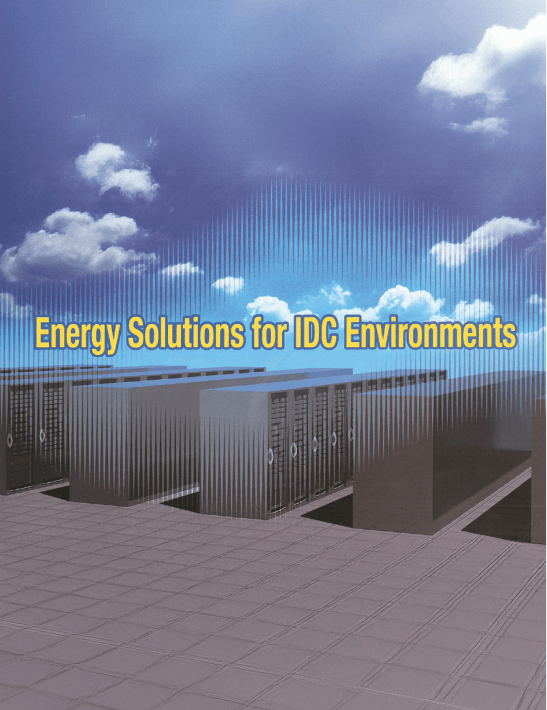
overview.
Essence of Green Air Technology
Green Air Technology is an integrated environmental engineering solution developed by Takasago Thermal Engineering Co., Ltd. (Japan). It combines high-efficiency HVAC design, renewable energy utilization and smart digital control technologies to reduce energy consumption, lower environmental burden and improve indoor comfort.
The solution addresses sustainability challenges in both new and existing buildings. It features innovations such as refrigerant sub cooling systems to boost thermal efficiency, solar-assisted heat pump systems for low-carbon water heating and biomass boiler systems that utilize renewable fuels. These systems are designed for high performance and energy efficiency through intelligent design and engineering practices.
Rooted in Takasago’s commitment to decarbonization and innovation, Green Air Technology aligns with international goals including the Paris Agreement and the United Nations Sustainable Development Goals (SDGs).
Energy Efficiency
Energy savings of up to 20% in HVAC systems, based on performance data from existing projects by Takasago.
CO₂ Emissions Reduction
Estimated reductions of 1,300 to 1,900 tons/year with biomass boiler implementation.
Cost Optimization
Reduced electricity use, maintenance costs and peak load demand, often resulting in return on investment within 3 to 5 years.
Comfort and Air Quality
Stable control of temperature and humidity with minimal airflow discomfort, especially effective in data centers, labs and hospitals.
Operational Resilience
Use of decentralized, hybrid heat sources enhances risk management and continuity in energy supply.
Scalability
Applicable to both new construction and retrofits across industries.
Adoption & integration.
T.T.E. Engineering's Application
Deploys a wall outlet type through which cool air is supplied directly into server rooms from the partition walls with the air conditioning equipment room. This allows for up to a two- thirds reduction in the blowing power of the system's air conditioners compared to normal systems with floor vents. The system prevents heat spots from forming and can also be used to cool high-load racks.
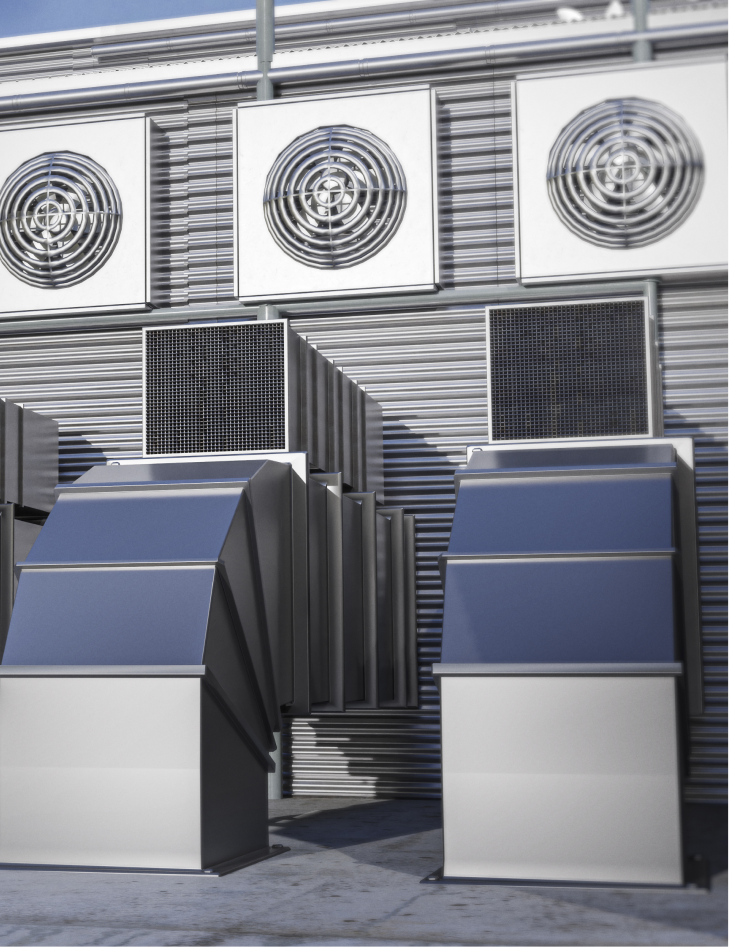
Enhances the cooling efficiency of air conditioners and chillers by sub-cooling refrigerants using cooling water. This Takasago-patented system has been proven in Japan and other regions to reduce energy use by over 15%.
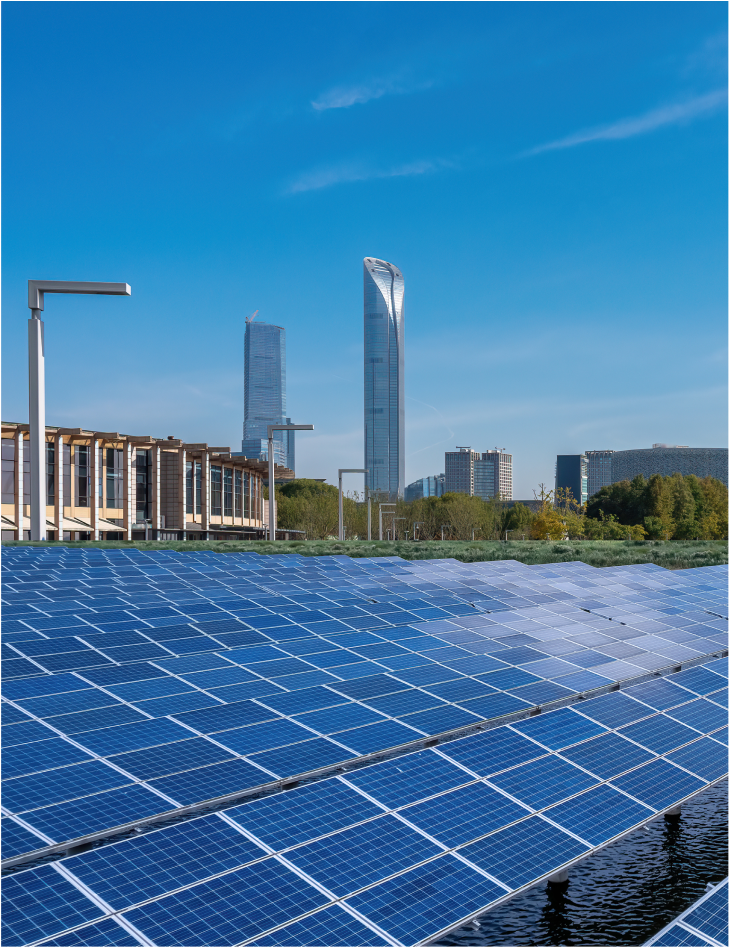
Integrates solar thermal collectors with heat pump units to supply hot water and heating. In pilot installations, this has reduced fossil fuel dependence by approximately 30%.
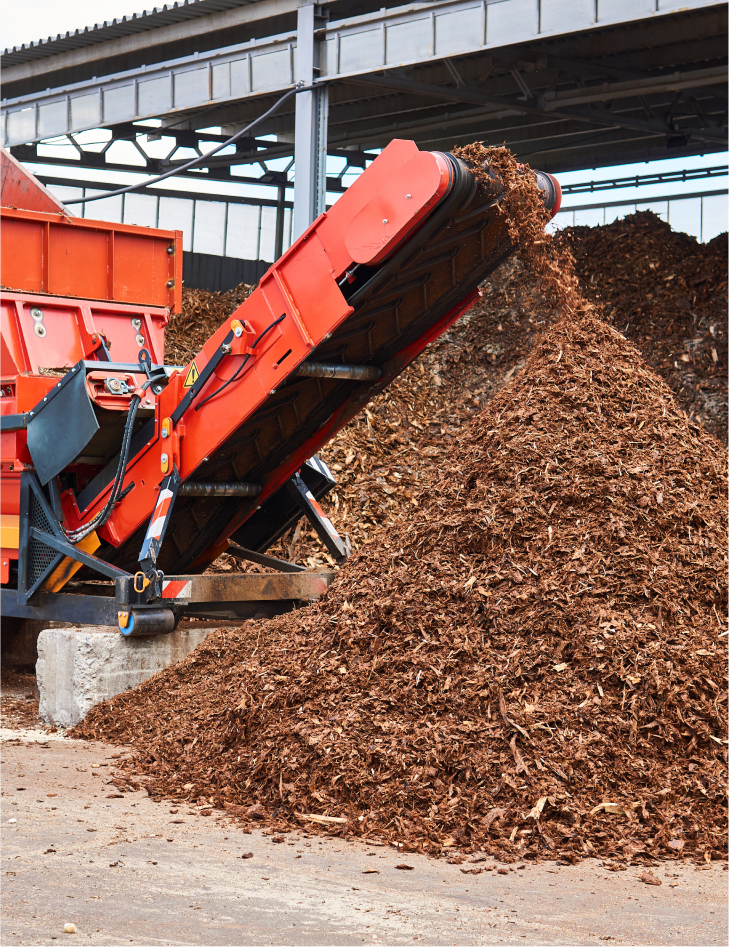
Use recycled wood chips and industrial biomass to produce thermal energy. Field results from Takasago show CO₂ emission reductions of about 1,300 tons per year per installation, supporting circular economy goals.
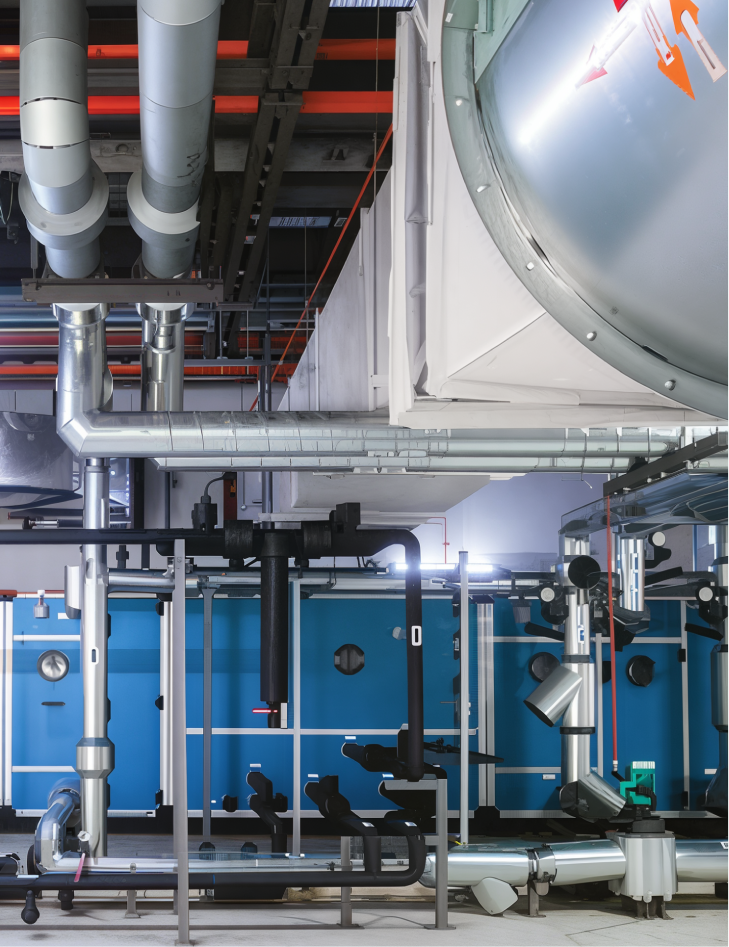
Collects real-time performance data using wireless sensors. It uses machine learning to optimize energy use, detect faults early and forecast HVAC loads. Past implementations have shown up to 20% reductions in energy costs.

Manage thermal energy from multiple sources (e.g., steam, LNG, renewable heat) to improve system-wide efficiency. The flexibility of this design allows seamless integration into both retrofitted and new-build facilities.

Sectors We Serve.
Industry Applications
Data Centers
Intelligent control of high-load cooling systems.
Manufacturing and Industrial
Low-carbon thermal systems such as biomass boilers and integrated heat source networks.
Healthcare and Laboratories
Advanced humidity and temperature control for sterile environments.
Sustainable Energy Facilities
Systems designed to support biomass, hydrogen and other renewable energy operations.
